“In the midst of the vagaries of life, they provide us a trip to the land of goodness and fairies, of imaginations and possibilities.A childhood that wasn’t spent watching cartoons or reading comic strips, no wonder, seems too dull to imagine” .
Cartoon and animation is a major entertainment media and are the one of the most influential media content for children and young people. Animation and cartoons are also an art to represent different societies like movies or music videos. Since the apparition of newspapers in Europe in 19th century , the role of cartoon drew on the newspaper has been “caricature” of political issues and injustice society. With the rise of post modernism and innovation in technology the animation appeared and established news values in the entertainment section.
Different cultures have different styles of animation and drawing with elements that remind the audiences about its society. Out of all the animation , USA and Japan have a huge success in the animation’s industry.
But how and why?
This is interesting to analyze the influence of Animation and cartoons from Japan and USA because these two countries could persuade the audience about images and values of the culture through animated stories. However the images diffused are quite different in terms of execution and pattern.
First of all let’s begin with the characteristic aspect :
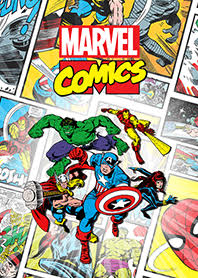
In United States cartoons are mostly called comics and usually narrate the stories of superheroes which became the prominent genre in the first half of the 20th century during 1930s. In terms of illustration , the first superheroes comic “Superman” is described as a “Strong man with muscle and superpower” . The art style of comics is usually considered as “realistic cartoony” . On other hand after the Second world and the defeat of its empire , Japan began to diffuse their culture through japanese comic called “Manga” . Contrary to comics manga are printed in black and white without colors and adopt a more unique drawing style. The apparition of “Animation” and digital era make comic or manga characters become more vivid and more accessible for kids who haven’t learned to read yet. Children are easily attracted to 2D world environnement with the mindset of seeing it as “real” and no difference from reality. So this will lead us to analyze what are the effects of watching animations etc…
When talking about animation almost everyone especially occidental culture has spent their childhood watching “Disney cartoon”! Disney is an american company which is one of the most influential cartoon studio in the world. Disney has succeeded in communicating with society by creating fantasy and dreams which create between people and its cartoon character , the main target remains children. With a lot of characters being animals who act like humans Disney could make a child become interested in its features. Everybody knows who “Micky Mouse”. Every girls has dreamed of becoming a Disney princess during their childhood. So Walt Disney has the power of establishing news values into the audience’s mind since young age.
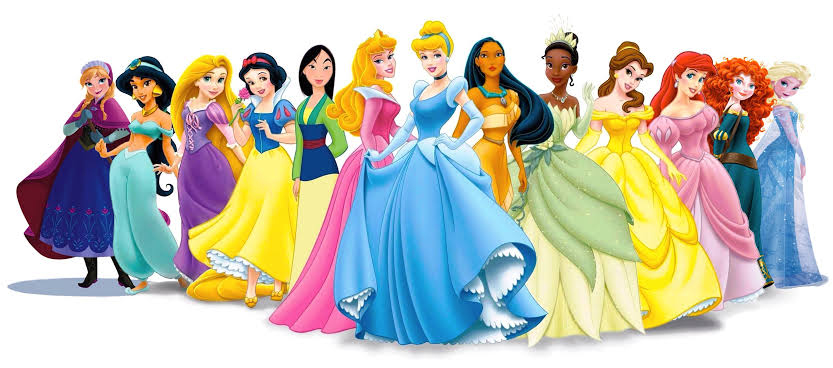
For example:
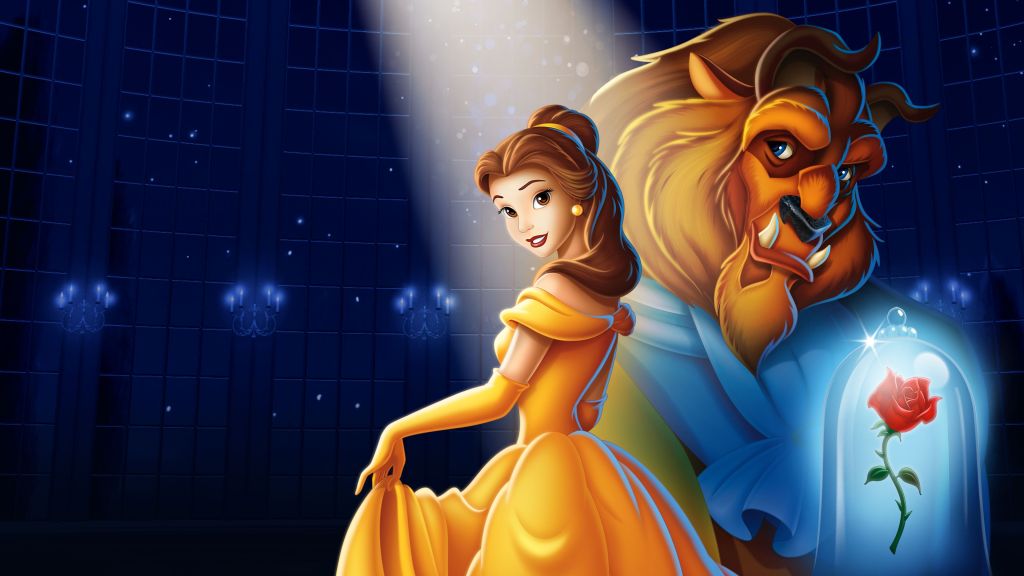
1)Beauty and the Beast takes us to the world of fantasy where the main character or the prince has been described as a beast for his appearance because of a curse. However with the power of love and the pureness of his soul , a beautiful princess fell in love with him.This story also have a moral behind it the true beauty.
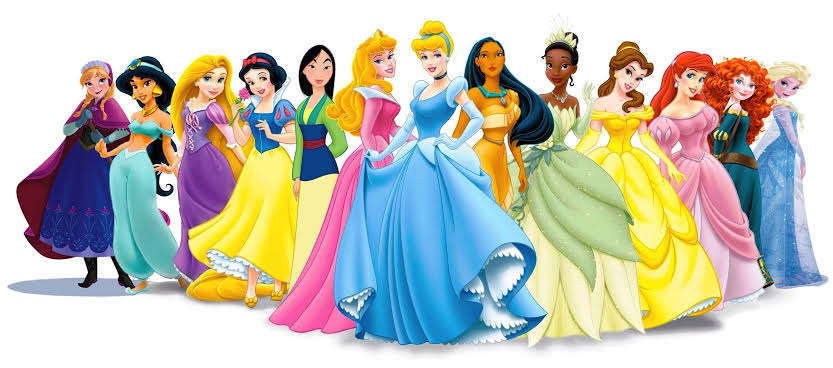
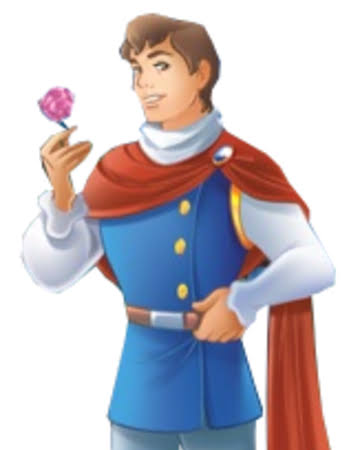
2) However there aren”t only “positive values” in Disney cartoons. A lot of time the main character in walt Disney cartoon are drew as “physically attractive”. The male character is often referred as a prince with attractive physique and charming personality. The princess in most of time wait for the prince to rescue her out of the problem. These images of the main characters make children think that aestically and in term of lifestyle you need to be like these characters to have a good impressions to people.
For example: Girls at young age admire the character of princess Elsa from Frozen and want to sing like her because the soundtrack “Let it go” which is very popular worldwidely. So even in the music industry Disney has a significant influence in terms of soundtrack creativity.
With all of these influences Disney animation became a pop culture around the world. The name of Disney characters became what we called “common sense”. The pop culture of Disney made people attracted to their product (models, dolls ,collection) and could buy those “impulsively”. Furthermore , the consumer could easily become a consumer zombie consuming Disney content because of childhood memory and brand loyalty. America is selling dreams and values to the whole world with this magical company.
United States’s imperialism in animation industry also covered the super heroes comic adaptation and movies reflect the power of America , the country that protect the world from disaster.
For example: All of the superheroes in Marvel or Dc universe are american. Everybody knows that the avengers’s mother base is located in the Us. There’re a lot of strong women like “Black Widow” and “Captain Marvel”lead superheroes which destroy the stereotype of dependent women in the real world which creates news value in terms of equality.It increases the credibility of Us as “world leader” and “super heroes’s home” . A lot of business aspects appeared alongside the rise of Disney and Marvel studio.

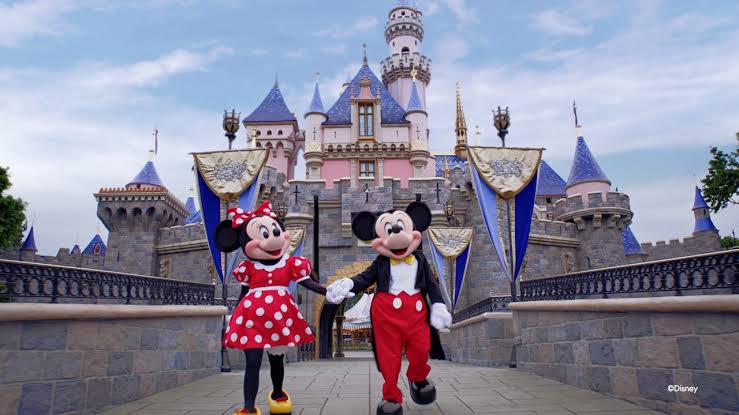
For example : Disneyland which attracts tourists around the world with the concept of representing Disney and superheroes’s world into an amusement park. The two-step flow theory could explain the success of Disney because even influencers or opinion leaders could easily a consumer zombie of Disney’s cartoon and product so they would automatically promote the brand. This is the hyperreality.
Others genre of american cartoons also have a success around the globe. The Simpson is a remarkable case study for its caricature of the real world’s society. We can notice post modernism elements in the show. This cartoon also reflects the freedom of expression in the US without the censorship and
For example : When Homer and Marge visit the Springfield Art Museum. Homer takes a nap in the gallery and has a nightmare of various paintings and artists attacking him.
Given that art of the 20th century has redefined visual art form The Simpsons is postmodern art because it rejected the traditional values and politically conservative assumptions of its predecessors and utilizes postmodernist techniques such as intertextuality and metafiction.
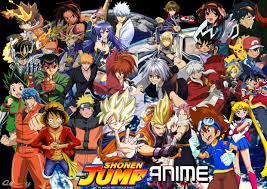
Even if Us animation and comics have created brand loyalty and precious experience for the world , there’s still a country that can compete with them. The anime and manga from the lands of the rising sun , Japan. Manga has become a major cultural representation of the country after the fall of the empire in 1940 s. This is a japanese comic. Manga cover various genres and types : action , comedy , romance , horror , slice of life etc… If the US has Disney and Marvel Japan could compete these companies with Shonen Jump and its uniqueness of its anime’s world. Shonen Jump is a weekly magazine with differents manga’s story generally action and comedy. The japanese cartoons have more genres and are usually in black and white. The creative aspect and image of Japan presented in the Manga are prominent.
If Disney has created significant cartoon character then Shonen Jump has succeeded the same process. For example : Doraemon is a popular fictional cartoon character from the manga’s Doraemon , this is a story about a robot who possesses magical objects and tools to help a boy who is good for nothing named Nobita to improve his ways of life. The story happened during the second half of 20th century, the shows reflect the life of japanese people during the 20th century. Doraemon is also very popular in Thailand and influences Thai’s people childhood.
Furthermore , with the apparition of Animation , Japan succeeded in integrating this industry with its own style of animation called “anime” . Usually they do the anime adaptation of mangas and their novels. The action anime from Japan could be compared to superheroes comics of Marvel and Dc universe. Japan also take advantage of its culture to create a popular animated series as “Naruto” which talk about “ninjas” (assasin or spy in the Japan) but with supernatural elements which make it unique and become world widely recognizable and could get the attention of all age of people around the world. Naruto has sold over 250 millions of copies(mangas)internationally. Shonen Jump is the publishing magazine known for its action mangas which are turned into anime. Japanese cartoons also have morals behind the story and value “friendship” or encourage people to follow their goals (shonen genre = young boy targeted).
But there’s a lot of stereotypes in the anime universe . For example : there’s what is called “fan service” to captivate older audiences and male audiences so sometimes women or female characters could be sexually be objectified which could create a negative impact among adult audiences. Even if there’re various genres or types there’re similar events or stereotypes in the story.
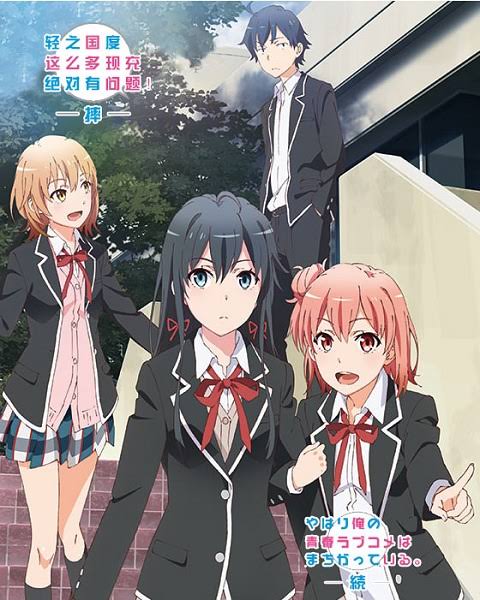
For example : In slice of life or comedy anime (Toradora , My teen romantic comedy , Amagami ss) the set up would be highschool life and the audience would become familiar with Japan’s education , school event , seasonal festival (hanabi = firework during summer , yukata wearing , cultural event). The romance plotline in anime usually has a stereotype that the main character who is good for nothing but with his kindness he achieves to make female characters fall in love with him. This is a negative step of fanservice in order to fulfill the dream of certains type of audience because Japan has a lot of depressed individuals due to competitive society.
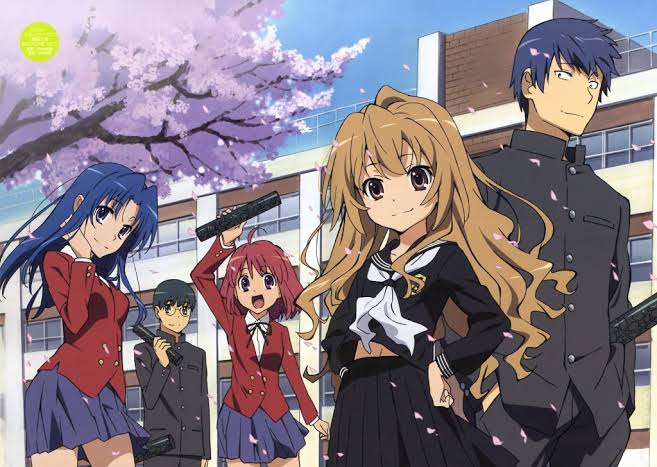
Japanese language reaches the whole world audience because in seasonal anime series there’re only anime in japanese and subtitle english with a huge international fanbase the audience watch anime in japanese and learn the ways of how characters react or speak. Anime also has the post modern aspect in it.
For example : Gintama is a shonen anime with parody elements and intertextuality about real world issues or parody of others anime to critique the stereotype etc…
In terms of business aspect Anime has succeeded in selling products like toys , models or decoration because internationally it becomes a pop culture and has implemented a fraction of Japanese culture on the consumer’s mind. However there would always be a negative impact to this. Consumer zombie who’s addicted to anime world or watching it lost the sense of reality and react or act like they’re the virtual character this kind of anormal attitude is called “otaku”(anime geek). The hyperreality takes over the consumer’s mind and makes them reject the real world norm and issues. The Akihabara district become famous around the world because there’re a lot of shop selling anime product and services with anime concept.
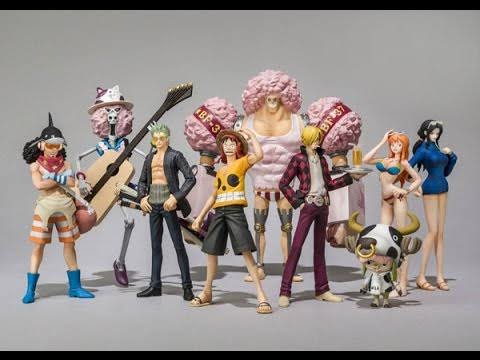
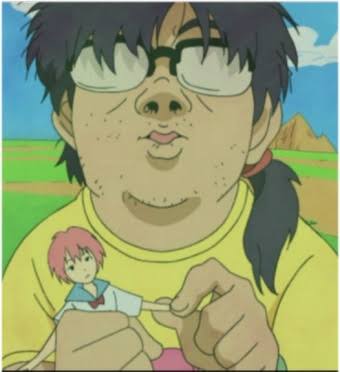
Japan with a lot of anime studio and manga publishing industry has influence in world entertainment and managed to convey their culture into it smoothly.
United States and Japan have created a large industry of cartoon and animation in their own country with values and social reflection in it. They succeed in responding the need of audience with their entertainment and creative ideas.



 Social issues